



Blog
MMA Soul and Fighters


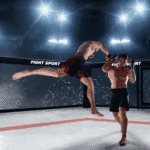
Mixed Martial Arts (MMA) has transformed modern combat sports by bringing striking, wrestling, and submission grappling together under one unified rule set. Rather than relying on a single discipline, today’s MMA athlete must understand how every range connects, from long-range kicks and boxing combinations to clinch entries, takedowns, and ground control.
The Evolution of Complete Combat
Early MMA bouts pitted specialists against one another to test which martial art prevailed in an open contest. Over time, fighters realized that specialization alone leaves critical vulnerabilities: a pure striker struggles when taken to the canvas, while a pure grappler cannot dictate where the fight takes place without solid footwork and takedown entries. Modern MMA blends these arts into a seamless flow where every strike sets up a level change and every takedown threat opens striking opportunities.
The Three Core Pillars of MMA Training
1. Stand-Up Striking and Distance Control
Effective MMA striking adapts boxing footwork, Muay Thai kicks, knees, and elbows to a wider stance that defends against takedowns. Fighters learn to manage range, use feints to draw reactions, and keep their hips positioned to sprawl immediately if an opponent shoots for the legs.
2. Wrestling and Cage Control
Wrestling is the bridge between standing and ground fighting. Single-leg and double-leg takedowns, body-lock trips, and underhook battles against the cage wall allow an athlete to control pace, score decisive rounds, and force opponents to carry their weight.
3. Submission Grappling and Ground-and-Pound
Once the fight hits the mat, Brazilian Jiu-Jitsu and submission wrestling govern positional hierarchy. Top fighters work to pass the guard, maintain chest-to-chest pressure, and combine controlled strikes with submission threats, while bottom fighters rely on hip movement, sweeps, and submission chains to regain standing position or finish the fight.
The Mindset of an MMA Athlete
Beyond physical conditioning, MMA demands rare mental adaptability. Training across multiple disciplines requires humility, starting as a beginner in unfamiliar areas while refining existing strengths. During competition, composure under fatigue and clear communication with corner coaches often separate winners from equally skilled opponents.
Essential Gear for Safe MMA Training
Because MMA involves full-contact striking and grappling in the same session, proper protective equipment is non-negotiable:
- Sparring Gloves (7 oz): Extra padding over the knuckles protects training partners while keeping fingers free for clinch and submission grips.
- Competition and Bag Gloves (4 oz): Built for pad work, heavy bag rounds, and competition preparation.
- Shin Guards and Mouthguard: Essential for checking kicks safely and preventing dental or jaw injuries during live rounds.
- Compression Apparel: Rash guards and fight shorts prevent mat burn and avoid loose fabric that fingers or toes could catch during scrambles.
Explore our dedicated MMA gear collection and protective equipment to equip your daily training sessions safely.
 Aikido
 Boxing
 Grappling
 Judo
 Jujitsu
 Taekwondo
 Karate
 Kickboxing
 Kurash
 Kung Fu
 MMA
 Muay Thai
 Sambo
 Sumo
 Wrestling
 ACCESSORIES
 BELTS
 GI / UNIFORMS
 GLOVES
 MATS
 PROTECTION
 SHOES
 SPORTS WEAR

